


What 5 Mistakes Can Delay a Timeshare Cancellation?
Quick Answer: Five common mistakes can delay a timeshare cancellation: waiting too long to review the contract, missing important cancellation instructions, choosing an exit approach that does not fit the ownership, trusting questionable promises, and failing to keep clear records. The right process depends on the agreement, resort, ownership type, payment status, and whether the original rescission period has already passed.
What Are the 5 Most Common Timeshare Cancellation Mistakes?
Timeshare cancellation can become more complicated when an important deadline, instruction, or ownership detail is overlooked. The five mistakes below involve timing, contract requirements, exit strategy, scams, and documentation. Avoiding them cannot guarantee a particular result, but it can help prevent unnecessary delays and make it easier to determine what should happen next.
1. Why Can Waiting Too Long Delay a Timeshare Cancellation?
Waiting too long to review your options can make cancellation more difficult. Timeshare purchases may include a rescission period that allows qualifying buyers to cancel within a limited period, but the deadline and required procedure depend on the law and agreement that apply to the purchase. An owner who waits before reading the cancellation section may discover that an important deadline or delivery requirement has already passed.
Missing the original rescission period does not necessarily mean there are no other options, but the process may become different. Review the agreement as soon as possible and identify the deadline, required address, delivery method, and other instructions. If that period has already passed, understanding how to get out of a timeshare after the rescission period can help clarify what options may remain.
2. How Can Missing Contract Instructions Cause Delays?
A timeshare agreement may contain specific instructions about cancellation, financing, maintenance fees, transfers, and disputes. Missing those details can cause an owner to send a notice to the wrong address, use the wrong delivery method, or overlook another requirement that matters when a deadline applies.
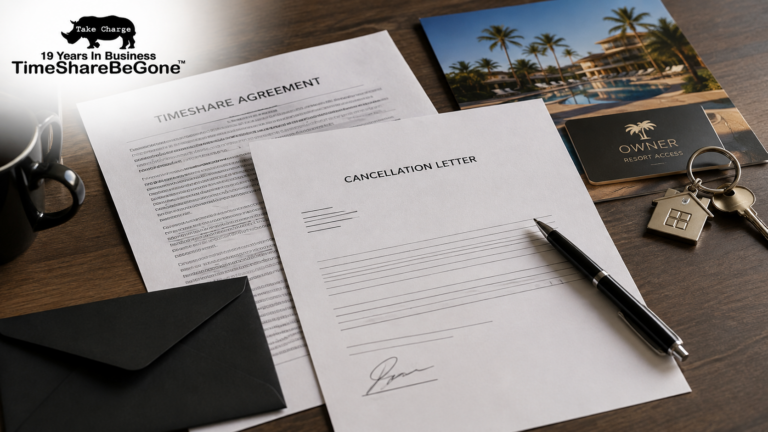
For example, the agreement may direct a cancellation notice to a specific address rather than the salesperson or resort front desk. Follow the written instructions instead of relying only on something said during the sales presentation, and keep a complete copy of anything you send. If written notice is required, understanding how to write a timeshare cancellation letter can help you prepare the information before submitting it.
3. Why Can the Wrong Exit Approach Make the Process Slower?
Not every timeshare owner starts from the same position. A paid-off ownership with current maintenance fees may have different options from a timeshare with an outstanding loan, past-due balances, inherited ownership, or a resort with its own surrender or deed-back program.
For example, an owner might spend months trying to sell an ownership without first checking whether the resort offers a return option. Another owner may assume a deed-back is available without confirming the resort’s requirements. Before choosing a path, confirm your loan balance, fee status, ownership type, and resort options. Understanding the difference between timeshare cancellation and a timeshare exit can also help you avoid pursuing an approach that does not fit the situation.

4. How Can Timeshare Exit Scams Delay a Cancellation?
A questionable offer can create a second problem while the original timeshare remains unresolved. Warning signs can include unsolicited contact, pressure to make an immediate decision, promises of guaranteed results, vague explanations of what will actually be done, or an agreement that does not clearly describe the service.
An owner who relies on a promise of a quick cancellation may spend months waiting without knowing whether meaningful action was taken while the original ownership remains unresolved. Before committing to any company or professional, verify who you are dealing with and read the written agreement carefully. Knowing how to protect yourself from timeshare cancellation scams can help you recognize warning signs before making a decision.
5. Why Can Poor Documentation Delay a Timeshare Cancellation?
Poor recordkeeping can make it harder to show what was submitted, when it was sent, and what another party agreed to. Keep copies of the purchase agreement, notices, account statements, emails, letters, delivery confirmations, and other communications related to the ownership or cancellation attempt.
For example, if a resort later disputes receiving a notice, having a copy of the notice and proof showing when and where it was sent gives you a clearer record of what happened. Follow the delivery instructions in your agreement and do not assume a surrender, transfer, or cancellation is complete until you have documentation confirming the change.
Can Stopping Payments Make a Timeshare Cancellation More Complicated?
Yes. Stopping payments is not the same as canceling the ownership. Depending on the agreement and ownership type, unpaid maintenance fees or other balances may lead to late charges, collection activity, default, foreclosure, or other consequences while the timeshare remains in your name.
Before treating nonpayment as a solution, understand what happens if you stop paying timeshare maintenance fees. Creating a separate payment problem can make an already complicated situation more difficult to resolve.
Frequently Asked Questions About Timeshare Cancellation
What Is the Best Way to Avoid Timeshare Cancellation Delays?
Review the agreement early, follow any deadlines and delivery instructions, and keep clear records. These steps can help reduce avoidable delays and complications.
Need help with a timeshare cancellation? TimeShareBeGone can review your situation and explain your options. Call 800-223-1770.