


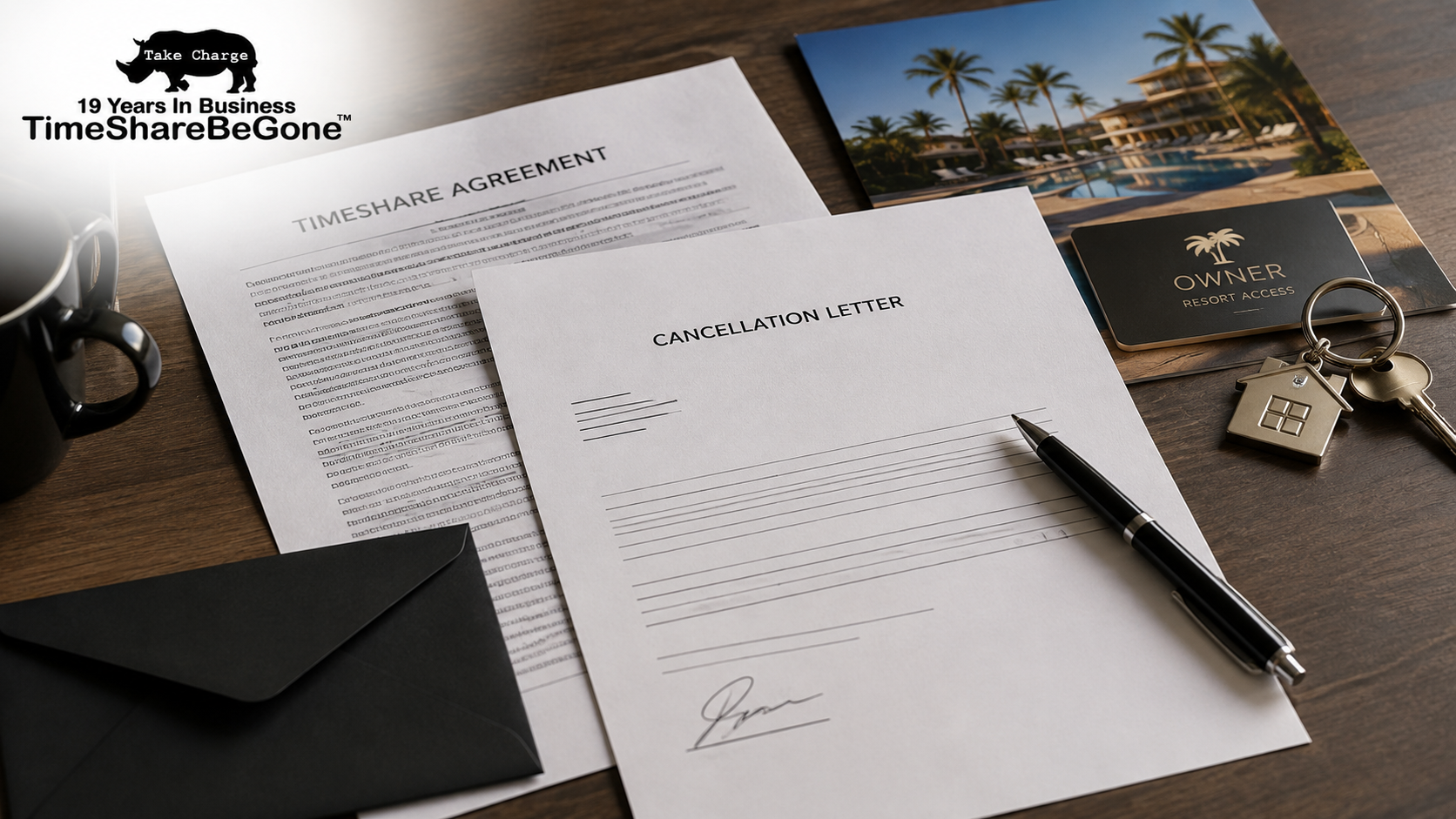
How to Cancel a Timeshare: A Step-by-Step Guide
Quick Answer: To cancel a timeshare, first check your contract for the rescission deadline and exact cancellation instructions. Rescission windows are typically short and often measured in days, but the deadline depends on the law that applies to your purchase. If the deadline is still open, send the required written notice and keep proof of delivery. If it has expired, your options may include a resort surrender program, deed-back option, contract review, or another exit method based on your ownership.
What Should You Do Based on Your Timeshare Situation?
Your first step depends on when you bought the timeshare and what has already happened.
| Your Situation | Best First Step |
|---|---|
| You bought the timeshare recently | Check the rescission deadline immediately |
| Your rescission period is still open | Follow the cancellation instructions in the contract |
| The rescission period has expired | Ask about surrender or deed-back options |
| The resort rejected an exit request | Review the contract and the reason for the denial |
| You believe you were misled | Save sales materials, messages, and written promises |
For example, someone who signed a timeshare contract a few days ago may need to act on a rescission deadline. Someone who has owned the timeshare for several years needs to look at a different set of options.
How Do You Cancel a Timeshare During the Rescission Period?
The basic process has five steps.
1. How Do You Find the Rescission Deadline?
Start with the timeshare purchase agreement. Look for a section labeled rescission, cancellation, cooling-off period, or notice of cancellation.
Confirm the purchase date, deadline, and any instructions tied to that deadline. If the cancellation window is still open, act before it closes rather than spending time negotiating another type of exit.
2. What Cancellation Instructions Should You Follow?
Your agreement may state where the notice must be sent, who must receive it, what information must be included, how it must be delivered, and who must sign it.
For example, if two owners signed the original contract and both signatures are required, a notice signed by only one owner may not meet the stated instructions.
Use the written agreement as your guide rather than relying on what you remember from the sales presentation.
3. What Should a Timeshare Cancellation Notice Include?
A cancellation notice should clearly identify the agreement and state that you want to cancel or rescind it. Include the owner names, resort name, contract or account number, purchase date, and any other details required by the agreement.
A simple statement may read:
“I am exercising my right to cancel the timeshare agreement signed on [date] for contract number [number].”
Your timeshare cancellation letter should follow the requirements in your own contract instead of relying on a general template alone.
4. How Should You Send the Cancellation Notice?
Use the address and delivery method stated in the contract. Keep a copy of the notice along with tracking information, delivery confirmation, or other proof showing when it was sent.
For example, if the deadline is Friday, records showing that the notice was submitted within the required period may be important if the resort later questions the timing.
5. What Should You Do After Sending the Notice?
Ask for written confirmation that the resort received and processed the cancellation.
If you speak with a representative by phone, record the date, the representative’s name, and what was discussed. Keep those notes with your contract, cancellation notice, and delivery records.

What Happens If the Rescission Period Has Already Expired?
Once the rescission deadline passes, the process is different from exercising a rescission right on a recent purchase.
Start by asking the resort whether it offers a surrender, deed-back, or owner-exit program. Availability may depend on your loan balance, account status, ownership type, and the resort’s requirements.
For example, an owner with a paid-off timeshare may have different options from someone who still owes money on the purchase.
The dedicated guide on how to get out of a timeshare after the rescission period covers those options in more detail.
What Documents Should You Gather Before Reviewing Other Exit Options?
If the rescission period has passed, gather the documents that show your current ownership status. Start with the purchase agreement, loan or financing information, recent maintenance fee statements, ownership documents, and any written response from the resort about a surrender, deed-back, or previous exit request.
For example, if a deed-back request was denied, keep the denial with your agreement. Those records can help show whether the issue involves an outstanding loan, account status, or a resort eligibility requirement.
What If You Believe You Were Misled During the Timeshare Sale?
Focus on preserving evidence of what you were told during the sale and how it compares with the signed agreement.
Useful records may include sales materials, emails, text messages, written promises, and notes from the presentation.
For example, if a salesperson made a written promise about a benefit but the contract says something different, keep both documents.
Misrepresentation does not automatically cancel a timeshare contract, but written records can help show what was represented during the sale and how those statements compare with the signed agreement.

Should You Contact the Resort Before a Timeshare Exit Company?
In many cases, contact the resort first to ask whether it has an official surrender, deed-back, or owner-exit process.
If that option does not solve the problem, research outside assistance carefully. A reputable timeshare exit company should explain its process and review your situation before making claims about the outcome.
Be cautious if someone contacts you unexpectedly, claims a buyer is already waiting, or promises cancellation before reviewing your contract.
When Might Professional Help Be Useful?
Professional review may be useful when the rescission period has expired, a resort has rejected an exit request, the agreement is unclear, or there is a dispute about what happened during the sale.
For example, if a deed-back request was denied but the written response does not explain why, reviewing the contract and resort requirements may help clarify what options remain.
If you need help understanding the options available for your ownership, TimeShareBeGone provides timeshare cancellation services based on the details of the contract and individual situation.
If you are considering legal assistance, the questions to ask a timeshare attorney can help you understand the attorney’s experience, process, and role before hiring anyone.
What Should You Avoid During a Timeshare Exit?
Avoid treating a promised quick result as proof that an exit option is legitimate. Be cautious of pressure to act immediately, guaranteed outcomes, or claims made before anyone reviews your ownership documents.
It is also useful to understand timeshare cancellation scams before signing another agreement or paying for assistance.
Do not assume that simply stopping payments ends the contract. Before making that decision, understand what happens if you stop paying timeshare maintenance fees and review the obligations in your agreement.
What Should You Do Next?
If you recently purchased the timeshare, determine whether the rescission deadline is still open. If it is, follow the written cancellation procedure and keep proof of each step.
If the deadline has passed, identify the main issue before choosing an exit path. An outstanding loan, rejected deed-back request, disputed sales representation, or resort policy can each lead to a different next step.
Frequently Asked Questions About Timeshare Cancellation
This article is for general educational purposes and is not legal advice. Timeshare contracts and cancellation requirements can vary by state, resort, and individual situation.
Talk With TimeShareBeGone About Your Timeshare
If you are unsure what your contract allows or which exit option fits your situation, TimeShareBeGone in Murrells Inlet, SC can review your contract and ownership details with you.
Call 800-223-1770 or request a free consultation to discuss your timeshare cancellation options.